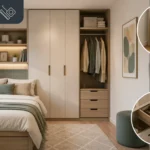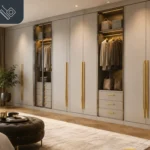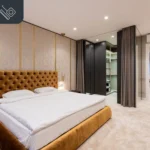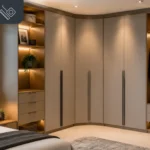
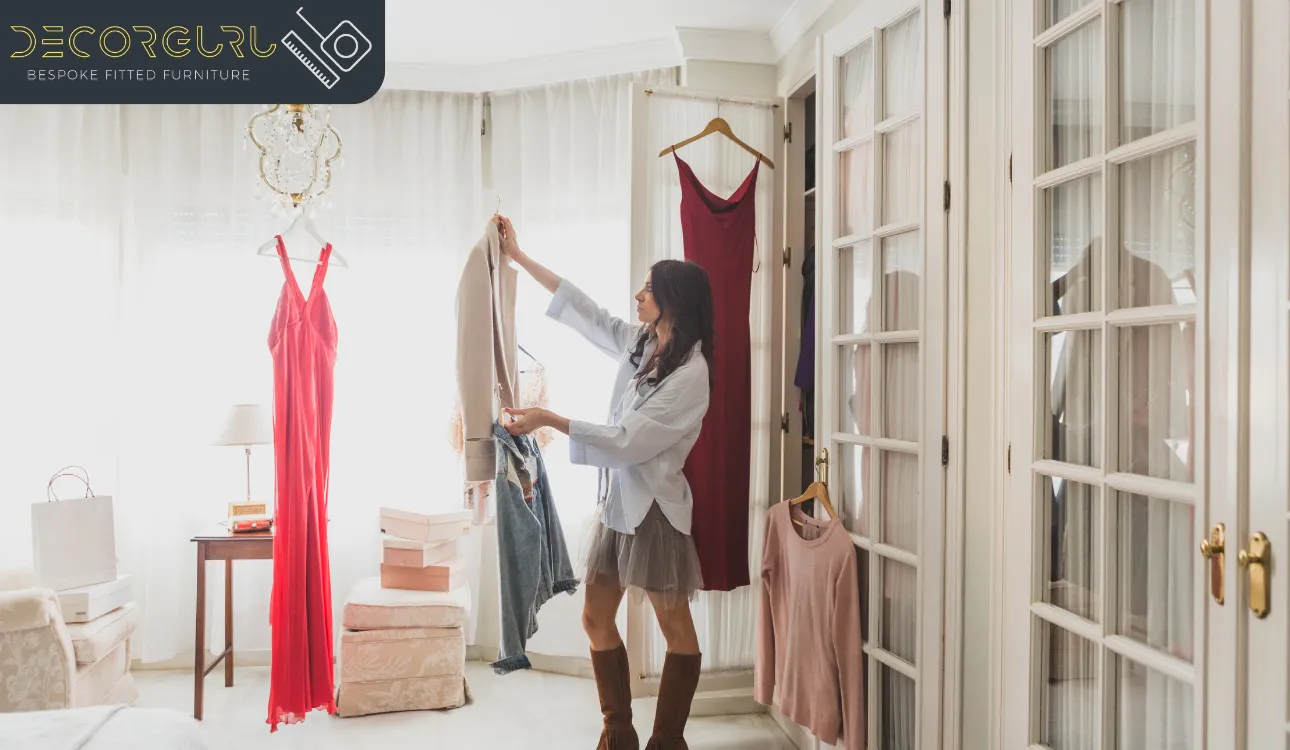
Thinking of revamping your Leeds home with a walk-in wardrobe? You’re in luck. Walk-in wardrobes aren’t just for the rich and famous anymore. They’re practical, stylish, and can transform your living space. In this post, I’ll explore some fantastic ideas for walk-in wardrobes. We’ll dive into costs, designs, and installation tips. Whether you’re on a budget or looking for modern flair, there’s something here for everyone.
Decorguru Enterprise Ltd knows a thing or two about wardrobes. We’ve been helping UK homeowners, from Leeds to London, find the perfect fit for their space. It’s all about creativity and smart use of space. So, let’s get started. Ready to discover the walk-in wardrobe ideas UK homeowners love?
Cost Considerations
First off, let’s talk money. Walk-in wardrobes can vary greatly in cost. On the lower end, a basic setup might cost around £1,000. However, if you’re eyeing a luxurious design, costs can soar to £10,000 or more. But don’t worry, there are ways to keep expenses in check.
For instance, consider using modular units. They offer flexibility and can be more affordable than custom-built wardrobes. Plus, they’re easier to install. One of my clients in Leeds managed to create a stunning wardrobe space using IKEA modules for under £2,000. It looked bespoke but was budget-friendly.
Pro Tip: Check local suppliers for off-the-shelf options. They often have sales or discounts that can save you a bundle.
Here’s a quick look at the pros and cons of budget versus luxury options:
- Budget Friendly: More affordable, quicker to install, flexible.
- Luxury: Customisable, high-end materials, unique design.
- Cons: Budget options may lack the uniqueness of luxury designs.
Design Trends
Now, let’s explore some design trends. Walk-in wardrobes are no longer just about hanging clothes. They’re about creating a personal sanctuary. Think open shelves, shoe racks, and even a dressing table. Modern designs often incorporate LED lighting, which adds a touch of elegance and helps you find what you need.
A popular trend in Leeds is the minimalist look. This involves clean lines and a neutral colour palette. I’ve seen homeowners use white and grey tones to create a calm, serene space. Mirrors can also make a room feel bigger and brighter, which is a bonus in smaller homes.
Pro Tip: Use mirrored doors to reflect light and create the illusion of more space in your room.
Here’s a quick rundown of design pros and cons:
- Modern Design: Sleek, stylish, maximises space.
- Classic Design: Timeless appeal, versatile.
- Cons: Modern designs can be costly; classic designs may not suit all tastes.
Installation Tips
Installing a walk-in wardrobe can seem daunting, but it doesn’t have to be. The key is planning. Measure your space carefully. You don’t want to end up with a wardrobe that overwhelms the room. Also, think about accessibility. Make sure there’s enough space to move around comfortably.
For a DIY approach, consider using flat-pack systems. They’re straightforward to assemble and can be customised to fit your needs. I once helped a friend install a flat-pack wardrobe in an afternoon. It was a fun project, and we saved a lot on installation costs.
Pro Tip: Lay out all the components and instructions before starting. This makes the process smoother and faster.
Pros and cons of DIY versus professional installation:
- DIY: Cost-effective, personal satisfaction.
- Professional: Expert finish, hassle-free.
- Cons: DIY requires time and patience; professional installation can be expensive.
Space Optimisation
Let’s face it, space can be tight in Leeds homes. But you can make even the smallest space work. Think vertical. Tall shelves and hanging racks make the most of the height. Use every inch. I’ve seen people use attic spaces for walk-in wardrobes. It’s all about clever design.
Another trick is to use sliding doors. They save space and add a modern touch. One family I worked with had a narrow corridor that they transformed into a walk-in wardrobe using sliding doors. It was both stunning and practical.
Pro Tip: Install hooks on walls or doors for bags and accessories to free up shelf space.
Pros and cons of space-saving solutions:
- Vertical Storage: Maximises space, easy access.
- Sliding Doors: Saves floor space, stylish.
- Cons: May require custom fittings, can be expensive.
Materials and Finishes
Materials and finishes play a crucial role in the look and feel of your wardrobe. Popular choices include wood, laminate, and metal. Each has its own advantages. Wood offers warmth and a traditional feel. Laminate is versatile and budget-friendly. Metal offers a sleek, modern look.
I’ve seen homeowners mix materials for a unique effect. One client combined oak shelves with metal frames for an industrial chic vibe. It was a hit!
Pro Tip: Consider using eco-friendly materials for a sustainable choice. Bamboo is a great option.
Pros and cons of different materials:
- Wood: Durable, classic look.
- Laminate: Affordable, easy to clean.
- Metal: Modern, strong.
- Cons: Wood can be expensive; metal may not suit all interiors.
Wardrobe Lighting
Lighting can make or break your wardrobe experience. Good lighting helps you see everything clearly and adds ambiance. LED strips are a popular choice. They’re energy-efficient and come in various colours. Another option is recessed lighting, which offers a clean, streamlined look.
One family in Leeds used motion-sensor lights. They turn on automatically when you enter the wardrobe. It was not only convenient but added a touch of luxury.
Pro Tip: Use adjustable lighting to create mood and highlight specific areas of your wardrobe.
Pros and cons of lighting options:
- LED Strips: Energy-efficient, versatile.
- Recessed Lighting: Sleek, unobtrusive.
- Cons: Installation can be tricky, especially for recessed options.
Walk-In Wardrobes for Small Homes
Worried your home is too small for a walk-in wardrobe? Think again. With the right design, even small spaces can accommodate one. Consider corner wardrobes. They fit snugly and make use of awkward spaces. Another idea is to use curtains instead of doors. They save space and add a soft touch.
I’ve seen some creative solutions. One couple used an alcove in their bedroom for a mini walk-in wardrobe. They added shelves and a hanging rod, and it worked perfectly.
Pro Tip: Use light colours to make the space feel bigger and more open.
Pros and cons of small space solutions:
- Corner Wardrobes: Space-efficient, maximises corner areas.
- Curtains: Flexible, easy to install.
- Cons: May offer less storage; curtains may not be as durable as doors.
Customisation Options
Customisation is where you can really make your wardrobe your own. From bespoke shelving to personalised lighting, the options are endless. Consider adding a vanity area if space allows. It’s a great addition and makes getting ready a breeze.
One client in Leeds had a custom shoe rack built. It not only stored their shoes but showcased them beautifully. It was a real talking point.
Pro Tip: Think about your specific needs and customise accordingly. Do you need more hanging space or shelves?
Pros and cons of customisation:
- Bespoke Shelving: Tailored to your needs, optimises space.
- Vanity Area: Convenient, adds luxury.
- Cons: Can be costly; requires careful planning.
Sustainability in Wardrobe Design
Sustainability is becoming increasingly important. Many homeowners are opting for eco-friendly materials and designs. Bamboo and reclaimed wood are popular choices. They’re sustainable and add a unique look to your wardrobe.
I’ve found that Leeds homeowners are particularly keen on sustainability. One family used repurposed wood for their wardrobe. It added character and was environmentally friendly.
Pro Tip: Look for suppliers who offer sustainably sourced materials. It’s better for the planet and often more durable.
Pros and cons of sustainable options:
- Bamboo: Fast-growing, durable.
- Reclaimed Wood: Unique, eco-friendly.
- Cons: Can be more expensive initially; availability may vary.
Conclusion
Now that you’ve explored various walk-in wardrobe ideas for Leeds homes, it’s time to take action. Whether you’re on a budget or seeking a luxurious touch, there’s a solution waiting for you. Remember, a well-designed wardrobe not only enhances your home’s aesthetics but also improves functionality. So, why not start planning your perfect wardrobe today? Share your thoughts or try these techniques. We’d love to hear about your journey!
Frequently Asked Questions
What is the average cost of a walk-in wardrobe in Leeds?
The average cost can range from £1,000 for a basic setup to over £10,000 for luxury designs. Costs vary based on materials and customisation.
Can I install a walk-in wardrobe myself?
Yes, with flat-pack systems, DIY installation is possible. However, for custom designs, professional help may be advisable.
What materials are best for walk-in wardrobes?
Wood, laminate, and metal are popular. Each offers different benefits like durability, affordability, and modern aesthetics.
How can I save space in my walk-in wardrobe?
Use vertical storage solutions and sliding doors. Hooks and smart shelving can also help maximise your space.
Are there eco-friendly options for walk-in wardrobes?
Yes, materials like bamboo and reclaimed wood are sustainable choices. They add character and are better for the environment.