Bedroom space is rarely generous in London. From older Victorian terraces to converted flats and even newer apartment builds: Storage often ends up being one of the biggest everyday frustrations.
Standard wardrobes can only do so much. They often waste vertical space and struggle to make use of corners or recessed areas.
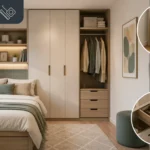
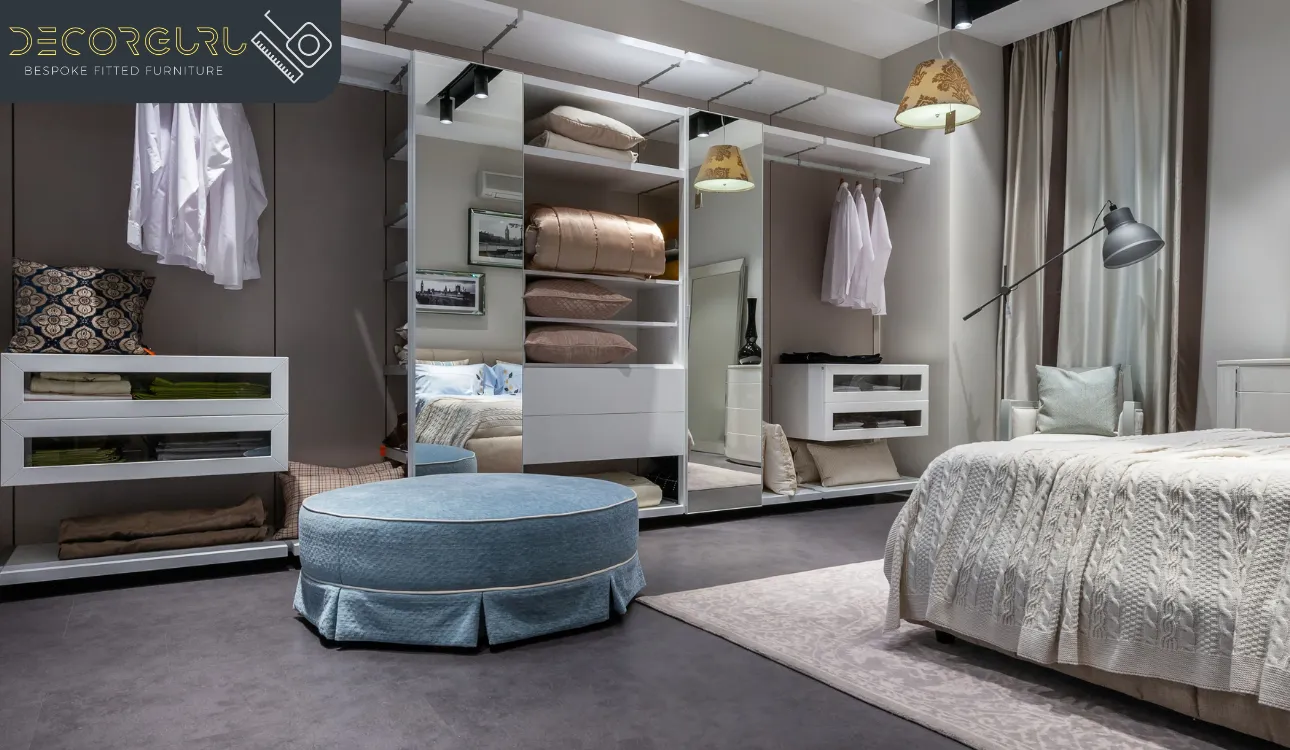
Built-in wardrobes solve these issues by being designed to fit the room exactly: Running from floor to ceiling and wall to wall. This makes storage feel like a natural part of the space rather than an add-on.
This guide walks you through these:
- What built-in wardrobes are
- How much do they generally cost in London
- The different design options available
- The key things you should consider before choosing an installer
Why Fitted Wardrobes Make More Sense in London Bedrooms
Space is the first thing you run out of in most London homes. Bedrooms generally fall somewhere between 9 and 12 square metres. This makes storage feel limited from the start. A freestanding wardrobe not only occupies valuable floor area but also leaves unused space above it.
Fitted wardrobes take a different approach by extending right up to the ceiling and making use of the entire wall. This design instantly increases usable storage by around 30–40% compared to a standard unit of the same width with no wasted gaps.
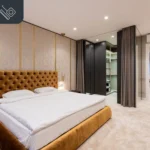
There’s also a practical resale angle. Studies and market trends highlighted by Rightmove suggest that integrated storage is a strong selling point in London homes. Bedrooms with well-designed fitted wardrobes often appear more spacious in photos and can attract buyers more quickly.
Which Type of Built-In Wardrobe Works for Your Room
Every bedroom is different! The right type depends on your layout.
| Wardrobe Type | Best For | Main Benefit |
| Alcove fitted wardrobe | Homes with chimney breast recesses | Fills dead space perfectly |
| Full wall wardrobe | Master bedrooms with a clear wall | Maximum storage in one run |
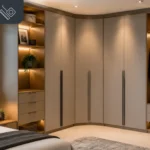
| Corner wardrobe | Rooms with awkward corner spaces | Turns wasted corners useful |
| Sliding door wardrobe | Rooms with limited space in front | No door swing needed |
| Hinged door wardrobe | Rooms with enough floor clearance | Full view of all contents |
| Under the eaves of the wardrobe | Loft conversions and sloped ceilings | Custom shaped to the roofline |
You almost certainly have alcoves on either side of a chimney breast if your home was built before 1930. These are perfect spots for fitted wardrobes. The catch: Most freestanding furniture simply cannot fill them properly.
What Goes Inside Is Just as Important as the Doors
Most people concentrate on the door finish and overlook the inside until the wardrobe is already fitted. The interior layout determines whether the wardrobe actually works for you every day.
A well-planned interior should include:
| Storage Feature | Explanation |
| Double hanging sections | Space for shirts and daily wear clothes |
| Long hanging space | For dresses and long outfits |
| Adjustable shelves | Shelves that can be moved anytime you need |
| Drawers | For folded clothes and small personal items |
| Shoe storage | Bottom section with angled shelves or pull-out racks |
| Internal lighting | Lights inside so you can easily see everything |
Plan the interior design properly before starting any work.It makes a big difference to the final result.
What Fitted Wardrobes Cost in London in 2025
Pricess differs. It depends on size and materials. Let’s understand this by a real table for London and the surrounding areas:
| Type of Job | Typical Price Range |
| Single alcove wardrobe with sliding doors | £800 to £1,400 |
| Full wall wardrobe, mid-range finish | £2,000 to £3,500 |
| Full wall wardrobe, premium with lighting | £3,500 to £6,000 |
| Loft conversion under eaves wardrobe | £1,500 to £4,000 |
| Walk-in wardrobe conversion | £4,000 to £10,000 |
Be cautious with very low-priced quotes. Fitted wardrobes require skilled carpentry and quality materials! So, unusually cheap pricing often means something important is being reduced or skipped.
It’s always better to compare at least three quotes and make sure each one includes the same scope of work.
Door Styles and Finishes Worth Knowing About
Painted MDF is the most popular choice in London homes. It can match any wall colour, looks completely built in, and works in both old and new properties. In period homes, it can be painted to match existing woodwork, so everything ties together.
Mirrored doors work magnificently in smaller or darker bedrooms. They bounce light around the room and make the space feel bigger. Mirrored wardrobes can genuinely change how the room feels in a north-facing bedroom with little natural light.
Shaker doors suit homes with a more traditional look. The simple panel adds a bit of character without being too decorative.
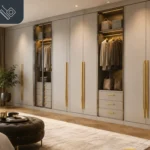
Handle-free doors are popular in modern flats and new builds where a clean, minimal look matters. You push to open instead of using a handle, keeping the front of the wardrobe completely flat.
Which? on home improvements points out that the part of a fitted wardrobe affecting how long it lasts most is the quality of hinges and drawer runners, not the door finish. Soft-close hinges and solid runners make a real difference over the years of daily use.
Four Questions to Ask Before You Book Anyone
There are a lot of fitted wardrobe companies in London, and quality varies a lot. Before you agree to anything, ask these:
- Do they visit and measure the room before giving a quote? Quoting from photos alone is a warning sign.
- Can they show you previous work in London homes? London rooms have specific quirks, and you want proof they can handle them.
- What exactly is included in the price? Installation, hardware, and finishing work around the unit should all be covered.
- How long will installation take? A single bedroom wardrobe should take one to two days at most.
A Few Things Worth Sorting Before You Start
It’s best to complete those first if you are planning any changes like repainting walls or updating flooring. Making changes around them becomes much more difficult once fitted wardrobes are installed.
It’s also worth choosing a full-height design that goes right up to the ceiling. Wardrobes that stop early tend to look incomplete. A simple ceiling filler gives a more built-in and polished finish.
Avoid a one-size-fits-all approach when it comes to the internal layout. A good designer should first understand your storage needs before planning the inside space: How many people will use it and what types of clothes you have.
FAQs
1. Is it cheaper to build your own wardrobe?
DIY Wardrobes may seem cheaper at first. The cost of materials and finishing work can add up quickly in London.
A fitted wardrobe done by professionals gives better value in the long run in many cases, especially when space is small or not regular.
2. What are the latest wardrobe design trends?
Current wardrobe trends in London include:
- Handle-less, clean flat doors
- Floor-to-ceiling fitted designs
- Sliding doors for space saving
- Soft neutral colours like beige, grey, and white
- Built-in LED lighting inside wardrobes
- Hidden handles and minimal look finishes
3. What is the 3-3-3 rule for wardrobe?
The 3-3-3 rule is a simple wardrobe method:
- 3 tops
- 3 bottoms
- 3 pairs of shoes
You mix and match these items to create multiple outfits with fewer clothes.
4. What is the 80-20 rule for wardrobe?
The 80-20 rule means:
You wear 20% of your clothes 80% of the time
It helps people in London simplify their wardrobes and remove unused items that take up space.
5. What is the 60-30-10 rule for wardrobe?
This is a colour balance rule for outfits:
- 60% main colour (dominant clothing tone)
- 30% secondary colour
- 10% accent colour (small highlights like accessories)
It helps create balanced and stylish looks easily.
Get Storage That Works for Your Home
Good bedroom built-in wardrobes are one of the most practical upgrades you can make in a London home. More storage, a tidier room, and a better-looking space all in one go.
At Decorguru Living, we design and fit bespoke built-in wardrobes across London and the surrounding areas. Every project starts with a proper consultation and a design built around your specific room.